Chromosomal Microarray Analysis for Constitutional Cytogenetics
Chromosomal microarray analysis
Identify anomalies associated with genetic constitutional disorders

SNP Arrays for Constitutional Cytogenetics Research
The identification of structural chromosomal aberrations can provide insight into causative relationships with complex phenotypes—including intellectual disability, developmental delay, and congenital anomalies. Chromosomal microarrays are powerful tools for detecting many types of structural variation.
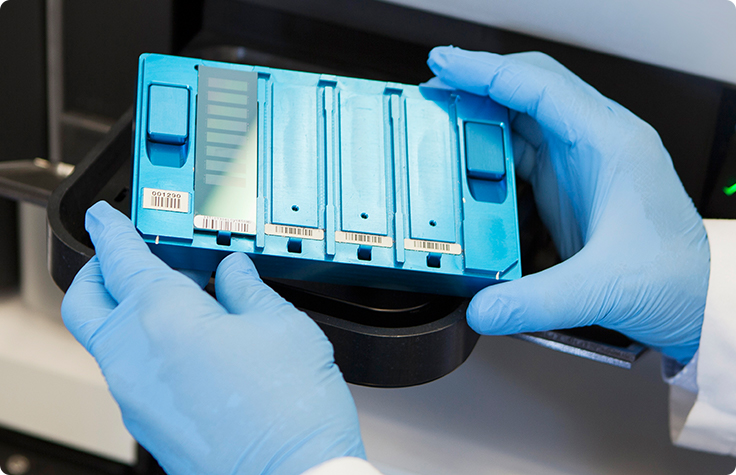
Chromosomal microarray analysis leverages the investigative power of single nucleotide polymorphism (SNP) genotypes to detect imbalances in copy number and allelic homozygosity, which are commonly associated with genetic constitutional disorders.
Benefits of Chromosomal Microarrays
Chromosomal microarrays can detect variations that may be missed by other technologies. Traditional cytogenetic methods for the detection of dosage anomalies (copy number imbalances) are unable to assess allelic homozygosity and therefore miss potentially significant findings.
Unlike oligo arrays, which can only identify copy number changes, SNP chromosomal microarrays can identify copy neutral changes, such as uniparental disomy (UPD), and loss of heterozygosity.
Featured Constitutional Cytogenetics Research
UK Laboratory Uses SNP Array to Enhance Cytogenetics Analysis
Ease of use and high-quality data support a smooth transition from oligo arrays to chromosomal microarrays.
Cytogenetic Testing Illuminates Congenital Abnormalities and Cancer
Trilochan Sahoo, MD discusses how he uses chromosomal microarrays to scan the entire genome for common or rare alterations.
Cytogenetic Analysis: From Arrays to NGS
Dr Koehler and Dr Benet-Pages use chromosomal microarrays and targeted next-generation sequencing (NGS) to analyze chromosomal abnormalities.

Comprehensive Coverage for Constitutional Cytogenetics
Our chromosomal microarrays offer:
- High resolution for assessing regions of the genome associated with genetic disease
- Analytical sensitivity for detection of low-level mosaics
- Reproducible data with challenging samples, including FFPE
- Simple workflows
Featured Products
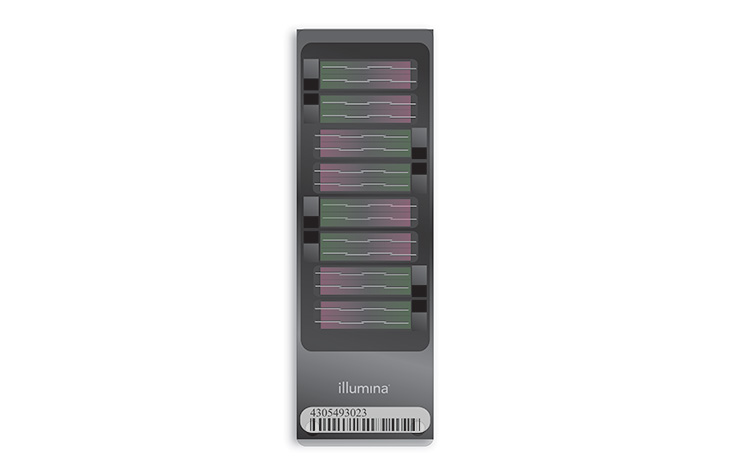
CytoSNP-850K BeadChip
This consortium-built array provides comprehensive coverage of cytogenetically relevant genes for congenital disorders and cancer research.
Learn More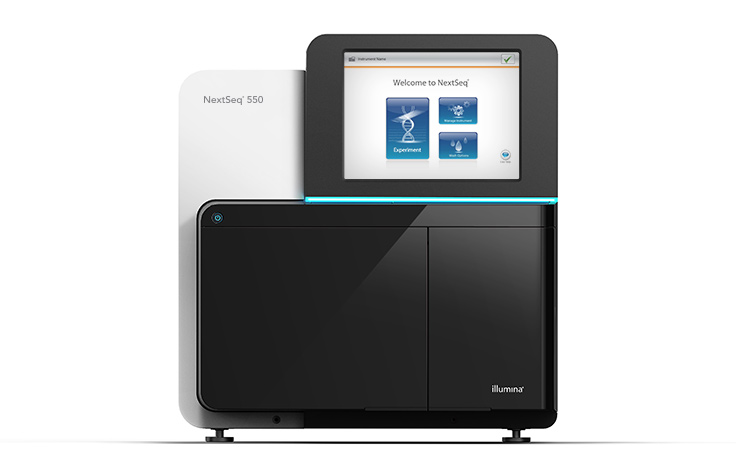
NextSeq 550 System
The NextSeq 550 System provides flexible power for whole-genome or targeted sequencing plus the ability to scan microarrays—the only such system with dual capabilities.
Learn MoreRelated Applications
Cytogenomics
Understanding chromosome aberrations is an integral part of genomic medicine, playing a role in research into both constitutional disorders and cancer.
Microarray Techniques
Explore a wide variety of microarray techniques and find solutions that allow researchers to analyze genetic variation efficiently on any scale.
From Cytogenetics to Cytogenomics
This introduction discusses the advantages of microarrays and NGS for constitutional cytogenetics.