26 February 2020
Of all the potential applications for genomic sequencing, understanding rare genetic diseases, especially those affecting children, may be the most profound. These children often have heartbreaking conditions that nobody fully understands. In some cases, only whole-genome sequencing (WGS) can solve these medical mysteries.
Several hospitals in China, as well as the Chinese Medical Geneticists Association (CMGA) and other organizations are working to produce more data and accelerate adoption to help as many kids as possible.
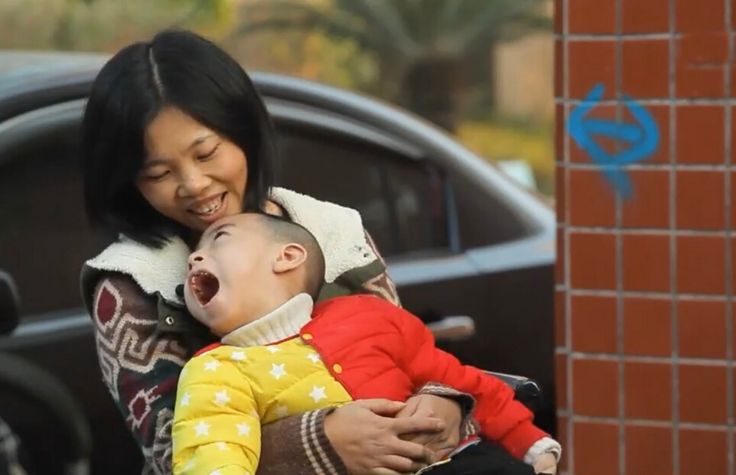
“We wanted him to grow up like a tree, strong and healthy. So, we named him Shubao, which translates into 'Tree Baby.'"
A case for whole-genome sequencing
Born in 2012, Shubao suffers from hypertonia, which stiffens his muscles, making it difficult to move. Shubao had difficulty eating and often woke up crying. He generally slept only two or three hours a night. His condition inspired the nickname. “We wanted him to grow-up like a tree, strong and healthy,” says Shubao’s mom, Zhang Huifang. “So, we named him Shubao,” which translates into “Tree Baby."
For seven years his parents visited every medical specialist they could find. There was an obvious genetic anomaly, but microarrays and whole-exome sequencing failed to find it.
Finally, in March 2018, Shubao’s mom learned that Dr. Yongguo Yu, program principal investigator at the Shanghai Institute for Pediatric Research at Xin Hua Hospital, was conducting whole-genome sequencing studies for children with suspected genetic disorders.
Dr. Yu determined that Shubao had lactic acidosis from a mutation in his PDHX gene. Because the mutation was caused by a heterozygous mutation, which is specific to having two indels (insertions or deletions), the previous less comprehensive genomic testing could not find it based on testing limitations at that time.
Dr. Yu and others developed a cocktail treatment for Shubao, and he showed almost immediate improvement. His muscles relaxed, he slept more, and he started eating. His parents could also rest easier.
While WGS may be able to explain some children’s health problems, a number of physicians in China are hesitant to use WGS because they lack experience with genetic counseling, have limited access to bioinformatics tools to analyze WGS data, or want to see more evidence around efficacy.
Illumina’s China team is working hard to address these concerns. The partnerships with Chinese hospitals, the CMGA, March of Dimes and other organizations will generate more evidence and educate the genomic ecosystem. As the project grows, experts are establishing new collaborations, publishing results, and expanding the use of WGS throughout China.
M-GL-04911