DNA Methylation Analysis
DNA methylation analysis
Understanding the role of methylation in regulating gene expression

What is DNA methylation analysis?
DNA methylation analysis allows scientists to gain valuable insight into gene regulation and identify potential biomarkers. Aberrant DNA methylation has been implicated in many disease processes, including cancer, metabolic dysfunction, and neurodevelopmental disorders. DNA methylation analysis is also used to provide a better understanding in areas such as agricultural and environmental science.
High-throughput technologies, such as next-generation sequencing (NGS) and microarrays, enable genome-wide methylation profiling studies. These technologies offer new ways to understand the significance of DNA methylation, providing novel insights into the functional consequences of epigenetic variation.

How does methylation analysis work?
NGS-based methods enable comprehensive methylation analysis at single-base resolution across the whole genome or in targeted epigenetic regions of interest. Alternatively, arrays enable quantitative interrogation of selected methylation sites across the genome, offering high-throughput capabilities that minimize the cost per sample. Depending on the method, this may involve chemical or enzymatic conversion of cytosines for detection.
How to analyze DNA methylation
Illumina offers solutions to explore DNA methylation using two primary approaches: methylation microarrays and next-generation sequencing (NGS)–based methods. Both approaches integrate seamlessly with Illumina platforms and bioinformatics tools, delivering high-quality data for epigenetic research, disease studies, and biomarker discovery.
Methylation microarrays
Methylation arrays remain a trusted, cost-effective solution for high-throughput methylation profiling. Using expertly curated content, these arrays enable quantitative interrogation of hundreds of thousands of CpG* sites across the genome with exceptional reproducibility. They offer scalable sample processing, are ideal for epigenome-wide association studies (EWAS), and are compatible for use with FFPE (formalin-fixed, paraffin-embedded) samples.
*CpG: Genomic region where cytosine is directly followed by guanine
Methylation sequencing
For single-base resolution and comprehensive coverage, NGS enables genome-wide or targeted methylation analysis. Whole-genome approaches provide near-complete coverage of methylation sites across the genome, while targeted approaches focus on specific regions of interest for cost-efficient, deep coverage. The Illumina 5-base solution detects methylated cytosines while simultaneously enabling DNA variant calling in a single, streamlined workflow.
Comparison of methylation analysis methods
| Methylation microarrays Hybridization-based detection of methylation at predefined CpG sites |
Whole-genome methylation sequencing NGS-based detection of methylation across the entire genome |
Targeted methylation sequencing NGS-based detection of methylation in selected regions |
|
|---|---|---|---|
| Key benefit | Cost-effective high-throughput methylation detection | Comprehensive methylome coverage | High-sensitivity detection at selected genomic regions |
| Number of CpGs covered | 500–1 million CpGs | ~28 million CpGs | Tens of thousands to millions of CpGs |
| Resolution | Single-base resolution at CpG sites | Single-base resolution genome-wide | Single-base resolution in targeted regions |
| Flexibility | Fixed content with option for fully customizable methylation arrays | Whole genome | Fixed or custom panels for specific loci |
| DNA variant detection | Limited | Enabled with Illumina 5-base solution | Enabled with Illumina 5-base solution |
| Sample input | Medium (250–500 ng) | Low (100 pg–200 ng) | Low (100 pg–200 ng) |
| Applications | Biomarker identification and validation | Comprehensive methylome studies, discovery research | Disease-specific panels, validation studies |
| Automation | Available for sample prep and scanning | Available for library prep automation | Available for library prep automation |
Methylation analysis guides
Decoding complex pathways with 5-base analysis for multiomic insights
In this eBook, discover the value of studying the methylome and genome, together, to unravel the mechanisms of genetic disease, cancer, and other complex diseases.
DNA methylation and applications for disease research
This comprehensive eBook walks you through best practices for epigenome-wide association studies (EWAS), from sample prep to data interpretation, using proven solutions from Illumina.
Guide to Infinium methylation microarrays
Download this guide to learn how to integrate methylation data with other omics data sets to uncover complex biological interactions, identify disease biomarkers, and advance translational research with robust, scalable workflows.
Related solutions
Epigenetic changes in cancer
Studies of epigenetic alterations in cancer, such as aberrant methylation and transcription factor binding, can provide insight into important tumorigenic pathways.
Chromatin accessibility analysis
ATAC-Seq is a popular method for determining chromatin accessibility across the genome. This method does not require prior knowledge of regulatory elements, making it a powerful epigenetic discovery tool.
Featured Products

Illumina 5-Base DNA Prep
A single NGS–based assay for comprehensive discovery of the 5-base genome (A, T, G, C, and 5mC), providing dual insights into the whole genome and methylome.

Illumina 5-Base DNA Prep with Enrichment
A single NGS–based assay for targeted detection of five DNA bases (A, T, G, C, and 5mC), providing dual insights into genomic variants and methylation events.
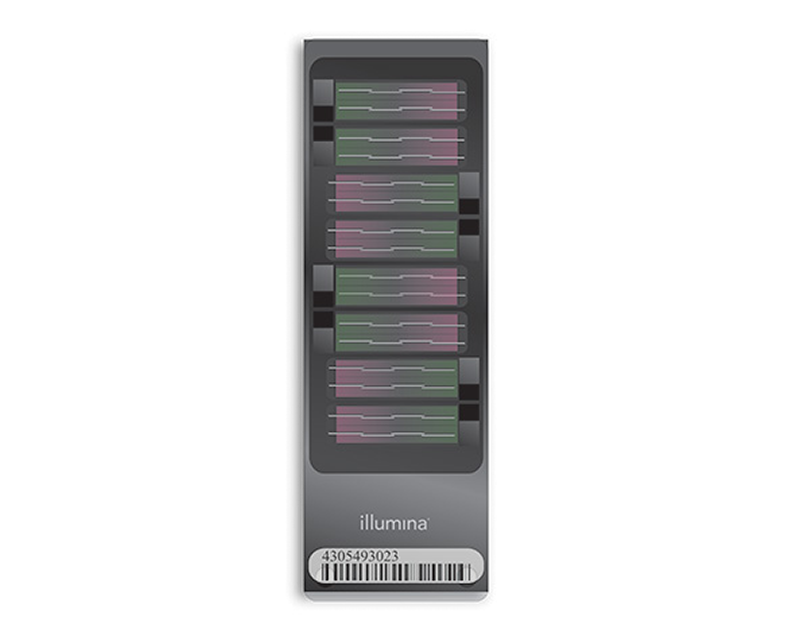
Infinium MethylationEPIC v2.0 Kit
Robust methylation profiling microarray with extensive coverage of CpG islands, genes, and enhancers. Use for epigenome-wide association studies.

Infinium Methylation Screening Array-48 Kit
Robust methylation profiling microarray with extensive coverage of CpG islands, genes, and enhancers. Use for epigenome-wide association studies.
Additional resources
Modeling epigenetic regulation from multiomic data
Watch this webinar to see how to model epigenetic regulation of gene expression from single-cell multiomic data.
Epigenetics and neuropsychiatric disease
Learn how Dr Kristen Brennand integrates whole-genome or whole-exome sequencing data with transcriptome and epigenetic information to help identify genes and pathways that have a role in disease.
DNA methylation dynamics and dysregulation
Watch this webinar to learn about applications for comparative epigenomics, imprinting, epigenetic inhibitors, epigenetic clocks, and more from Dr Peter Laird.